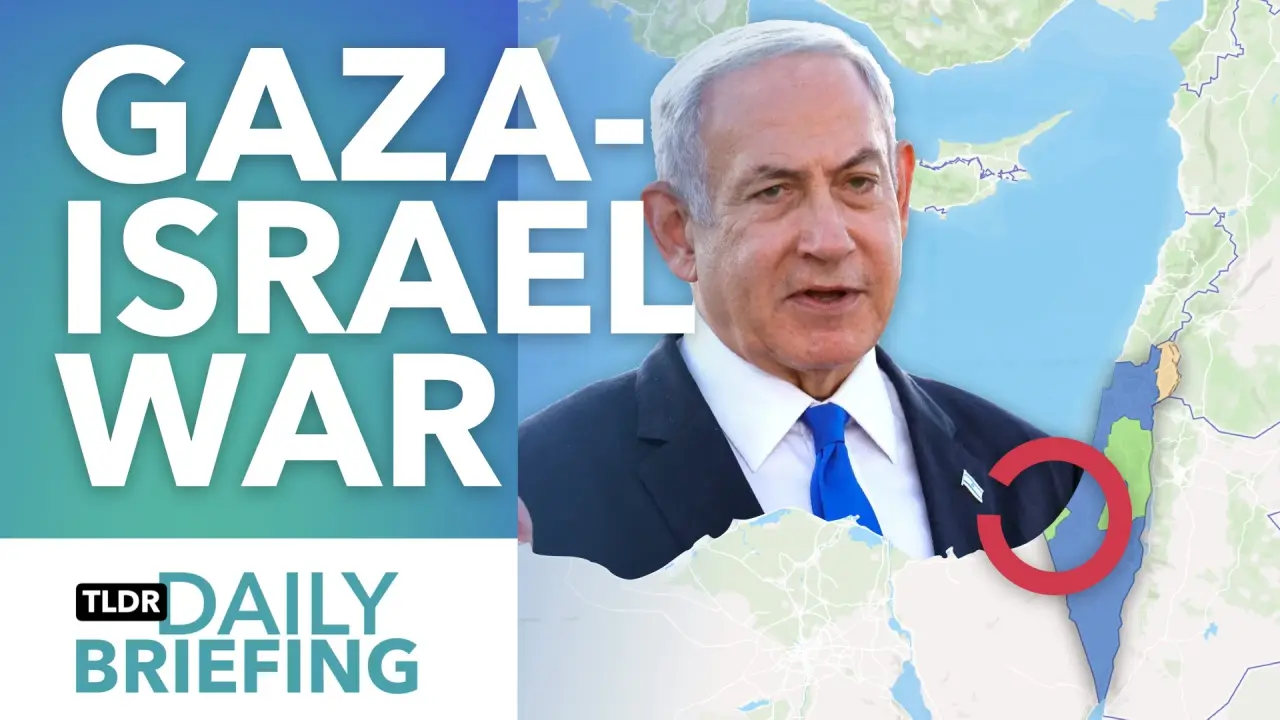
The Israel-Hamas war entered its third day on October 9, 2023, with no end in sight. The conflict has claimed the lives of hundreds of people, both Israeli and Palestinian, and displaced thousands more.The war began on October 7, when Hamas launched a surprise missile attack on Israel. Hamas said the attack was in retaliation for Israeli airstrikes on Gaza in the previous days. Israel responded with a massive bombardment of Gaza, targeting Hamas military targets as well as civilian infrastructure.The war has escalated rapidly in the days since, with both sides launching increasingly deadly attacks. On October 8, Israel launched a ground invasion of Gaza, sending in thousands of troops. Hamas has responded with guerrilla attacks and rocket fire.
Background:
The Israel-Hamas war is the latest in a long line of conflicts between the two sides. The war has been fueled by a number of factors, including the Israeli blockade of Gaza, the ongoing conflict over Jerusalem, and the Israeli settlement project in the West Bank.The war began on October 7, 2023, when Hamas launched a surprise missile attack on Israel. Hamas said the attack was in retaliation for Israeli airstrikes on Gaza in the previous days. Israel responded with a massive bombardment of Gaza, targeting Hamas military targets as well as civilian infrastructure.
Current situation:
The war has escalated rapidly in the days since, with both sides launching increasingly deadly attacks. On October 8, Israel launched a ground invasion of Gaza, sending in thousands of troops. Hamas has responded with guerrilla attacks and rocket fire.As of October 9, the war has claimed the lives of hundreds of people, both Israeli and Palestinian, and displaced thousands more. The Gaza Strip is one of the most densely populated places on Earth, and its infrastructure has been devastated by years of Israeli airstrikes and blockades. The war has left thousands of people homeless and without access to food, water, and medical care.
International response:
The international community has called for an immediate ceasefire in Gaza, but it is unclear whether Israel or Hamas is willing to stop fighting. The United Nations Security Council has held several emergency meetings on the conflict, but has failed to reach a consensus on a resolution.The United States, Israel's closest ally, has urged Israel to show restraint and to avoid civilian casualties. However, the US has also blocked a UN Security Council resolution that would have called for an immediate ceasefire.
Implications:
The Israel-Hamas war is a humanitarian crisis. The war has also destabilized the region and raised the risk of a wider conflict. The war has also damaged the already fragile peace process between Israel and the Palestinians.It is unclear how long the war will last or what the ultimate outcome will be. However, it is clear that the war is having a devastating impact on the people of Gaza.
Additional details:
Here is some additional information on the Israel-Hamas war, based on news reports from October 9, 2023:
● Israeli casualties:
According to the Israeli military, 900 Israelis have been killed in the war, including at least 11 Americans.
● Palestinian casualties:
According to the Gaza Health Ministry, 687 Palestinians have been killed in the war.
● Ground invasion:
The Israeli military has deployed thousands of troops to the Gaza Strip. Heavy fighting has been reported on the outskirts of Gaza City.
● Hostages:
Hamas has threatened to execute Israeli hostages if Israel targets civilian areas in Gaza.
● Ceasefire efforts:
The United States and the United Nations are working to broker a ceasefire between Israel and Hamas. However, it is unclear whether either side is willing to stop fighting.
Conclusion:
The Israel-Hamas war is a complex and fluid situation. It is important to stay informed about the latest developments and to support the efforts of the international community to bring an end to the conflict.